

Riding an electric skateboard during the summer is one of the most enjoyable ways to get around. The roads are dry, the skies are clear, and the longer days give you more time to explore. But while summer creates ideal conditions on the surface, it also introduces hidden risks that can affect both your safety and your board’s performance.
From overheating batteries to dehydration and unpredictable road surfaces, summer riding demands a more thoughtful approach.
This article breaks down 9 practical, real-world pieces of advice backed by actual rider experiences to help you stay safe, comfortable, and in control.
Understanding the Risks of Summer Riding
At first glance, summer might seem like the perfect season for electric skateboarding. However, high temperatures can significantly impact both your body and your equipment.
Asphalt can reach extreme temperatures, sometimes exceeding 60°C (140°F), which affects tire grip and road stability. At the same time, your board’s battery and electronics are more prone to overheating. On a personal level, heat increases fatigue, slows reaction time, and raises the risk of dehydration.
Ignoring these factors is where most riders run into trouble.
Read: How to Increase the Lifespan of An Electric Skateboard (All Seasons)
1. Battery Care: Protecting Your Board from Overheating
Electric skateboard batteries are sensitive to heat. When temperatures rise, the internal components of your board can heat up quickly, especially during long or aggressive rides.
Real-life experience: One experienced rider shared how his board suddenly shut off during a ride on a 38°C (100°F) day. The battery had overheated and triggered a safety cutoff. Fortunately, he was riding at a low speed, but the situation could have been much worse.
To avoid similar issues, it’s important to ride conservatively in hot weather. Avoid full-speed acceleration, take regular breaks, and never leave your board in direct sunlight or inside a hot car. If your board feels unusually warm, it’s a clear sign to stop and let it cool down.
2. Hydration: The Most Overlooked Safety Factor
Hydration is one of the simplest yet most overlooked aspects of safe riding. When you’re cruising, it’s easy to forget how much fluid your body is losing.
Real-life experience: A commuter rider once described feeling slightly dizzy halfway through a short ride. He hadn’t consumed enough water beforehand. Moments later, he misjudged a turn and fell not because of a lack of skill, but because his body wasn’t functioning at full capacity.
To prevent this, drink water before you ride and bring some with you. Small hydration packs or backpacks make it easy to stay prepared. Pay attention to early warning signs like fatigue, headaches, or dry mouth, as these can quickly escalate if ignored.
Read: 10 Most Common Problems Electric Skateboard Riders Face
3. Adjusting Your Riding Style for the Heat
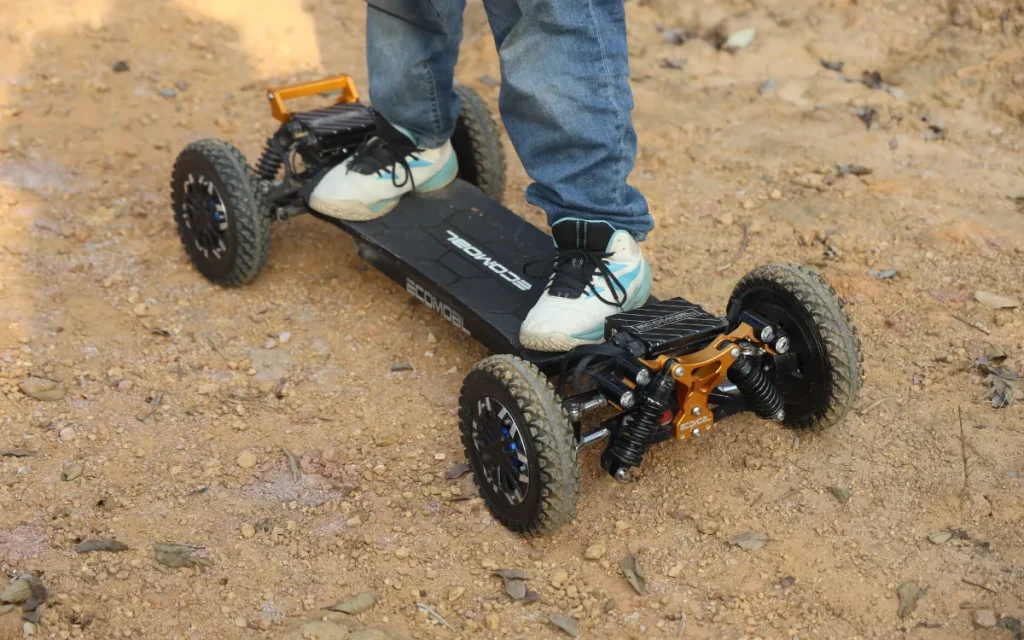
Summer is not the time to push your limits. High temperatures affect how your electric skateboard performs and how your body responds.
Heat can reduce tire grip and make your board less predictable. At the same time, fatigue can slow your reflexes, making it harder to react quickly to obstacles.
Many experienced riders adapt by lowering their speed and riding more smoothly. One rider mentioned that she intentionally reduces her top speed by about 20% during hot days and avoids aggressive carving or sudden braking.
The goal is to ride with control rather than intensity. Smooth acceleration, gradual turns, and maintaining a steady pace can make a big difference in safety.
Also read: How Do Electric Skateboards Actually Work? Everything You Need to Know
4. Wearing the Right Gear Without Overheating
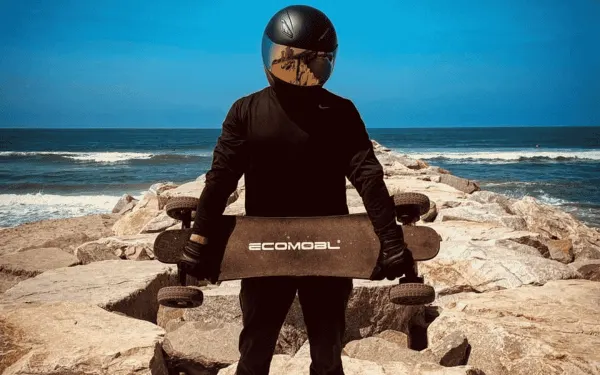
Hot weather often tempts riders to skip protective gear, but that decision can lead to painful consequences.
Real-life experience: One rider shared his experience of riding without gloves on a particularly hot day. After a minor fall, he ended up with severe road rash on his palms, an injury that could have been easily prevented.
The key is to choose gear designed for warm conditions. Ventilated helmets, moisture-wicking clothing, and lightweight gloves protect without trapping excessive heat. Modern gear is built with airflow in mind, allowing you to stay both cool and safe.
5. Road Awareness: Summer Surfaces Can Be Tricky
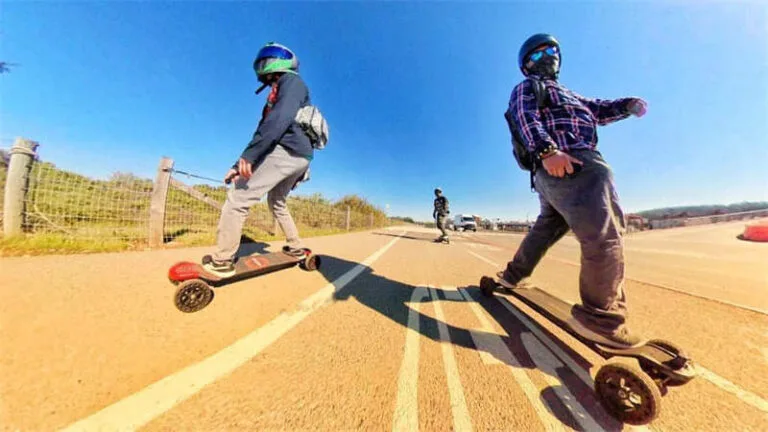
Heat doesn’t just affect you and your e-board; it also changes the road itself.
Asphalt can soften under extreme temperatures, creating sticky patches that affect wheel movement. Tar lines may become slick or uneven, and expansion cracks can widen.
Real-life experience: A rider recalled hitting a softened tar strip that suddenly slowed his board, nearly throwing him off balance. Situations like this highlight the importance of staying alert.
Always scan the path ahead and be cautious when riding on unfamiliar surfaces. If something looks shiny or uneven, slow down and approach it carefully.
Read: Which Electric Skateboard is Right for You? (2026 Edition)
7. Sun Protection and Energy Management
Spending extended time in direct sunlight can lead to sunburn and heat exhaustion, both of which can affect your ability to ride safely.
Real-life experience: A long-distance rider once described how sun exposure left her feeling mentally foggy and physically drained. Her coordination suffered, making even simple maneuvers more difficult.
Protecting yourself is straightforward. Apply sunscreen before heading out, wear sunglasses to reduce glare, and plan your rides during cooler parts of the day,y early morning, or late afternoon. Taking breaks in shaded areas can also help you recover and stay sharp.
8. Pre-Ride Checks in Hot Weather
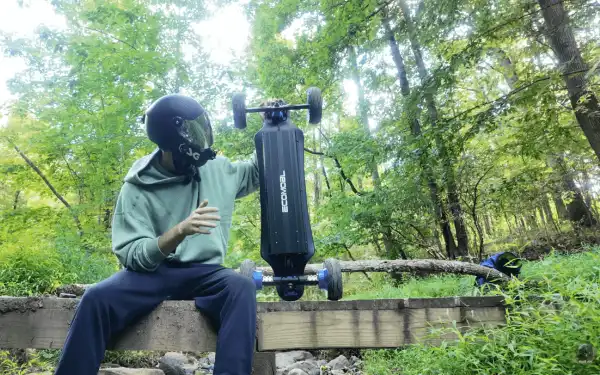
Before heading out, it’s important to do a quick check of your board. Heat can affect tire pressure, battery performance, and braking responsiveness.
Take a moment to inspect your tires, ensure your battery is at a safe temperature, and confirm that your remote connection is stable. Even a brief check can help you catch small issues before they become serious problems.
Real-life experience: One rider noticed his brakes felt slightly weaker on a hot day. While it wasn’t a major malfunction, it was enough to remind him to adjust his riding style and stay cautious.
9. Knowing When to Stop
Perhaps the most important skill in summer riding is knowing when to stop.
If your board starts overheating, or if you feel dizzy, fatigued, or unfocused, it’s time to take a break. Pushing through discomfort can quickly turn a manageable situation into a dangerous one.
There’s no shame in cutting a ride short. In fact, experienced riders often see it as a sign of good judgment rather than weakness.
Final Thoughts
Riding an electric skateboard in summer can be an amazing experience, but it requires awareness and preparation. The heat introduces challenges that affect your body, your board, and the environment around you.
By staying hydrated, adjusting your riding style, wearing appropriate gear, and listening to both your body and your board, you can enjoy smooth and safe rides all season long.
Real-life experiences show that most accidents and issues aren’t caused by a lack of skill, but happen when riders underestimate the effects of weather. Stay mindful, ride smart, and treat summer conditions with the respect they deserve.
That way, every ride remains what it should be: fun, freeing, and safe.