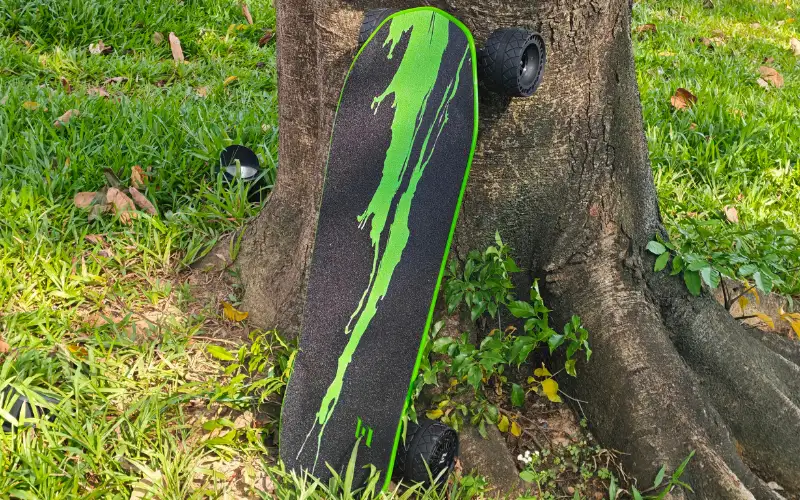


Modern personal mobility has changed significantly in recent years, largely due to the rise of high-performance riding boards. From smooth city streets to rough mountain trails, riders now expect more versatility, stability, and adventure from their gear. But one important question remains for beginners and experienced riders alike: what terrains can these boards safely handle?
The answer depends on several factors, including wheel type, motor power, deck flexibility, suspension, weather conditions, and riding experience. While many assume all boards can ride on any surface, that is not always true. Some surfaces are safe and comfortable, while others can be dangerous if the setup is not designed for them.
In this article, we will explore the different types of terrain, explain how various setups perform, and share practical tips to help riders stay safe while enjoying the ride.
Smooth Pavement and City Roads

Paved roads are the most common and safest surface for most riders. Streets, bike lanes, sidewalks, and parking lots provide predictable traction and smoother riding conditions.
Boards with street wheels usually perform best here because they offer:
- Better acceleration
- Higher efficiency
- Smooth carving
- Lower rolling resistance
Urban riders often prefer compact setups for commuting because they are lightweight and easier to carry.
However, city roads still require attention. Small cracks, potholes, loose gravel, and wet paint markings can suddenly reduce traction. Even experienced riders should avoid high speeds in crowded areas.
Recommended board: Supermini 2WD
Safety Tips for Urban Riding
- Always inspect the road ahead
- Slow down near intersections
- Avoid riding over metal covers during rain
- Keep your trucks properly tightened
- Wear a helmet even on short rides
For daily commuting, smooth pavement remains the ideal environment for most electric skateboards because it provides the best balance between safety, speed, and battery efficiency.
Rough Roads and Broken Asphalt
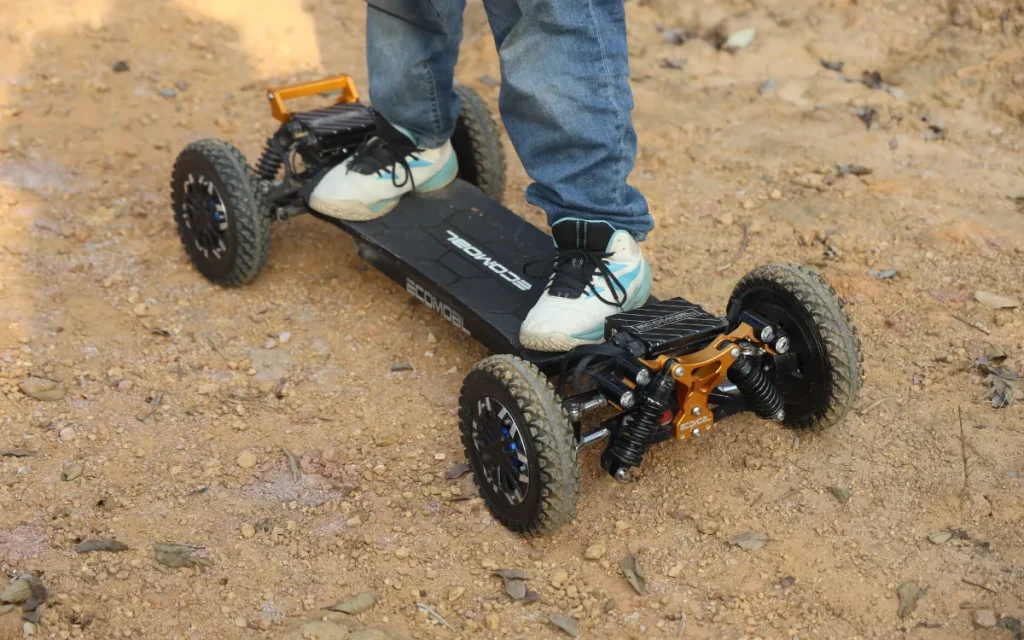
Not every road is perfectly maintained. In many cities, riders face cracked asphalt, uneven surfaces, and construction debris.
This terrain can still be manageable if the board has:
- Large pneumatic tires
- Flexible deck construction
- Strong torque output
- Stable truck system
Air-filled tires absorb vibrations much better than standard urethane wheels. They help reduce rider fatigue and improve control on rough surfaces.
Riding on broken asphalt at high speed is risky because unexpected bumps can throw the rider off balance. Slower speeds and wider turns are much safer in these conditions.
Recommended board: M24 Pro (4WD)
What to Watch Out For
- Sharp edges that can damage tires
- Loose stones are causing wheel slip
- Deep potholes hidden in shadows
- Sudden elevation changes
Riders using all-terrain setups usually feel more comfortable on rough roads because the extra grip and cushioning increase stability significantly.
Dirt Trails and Packed Soil
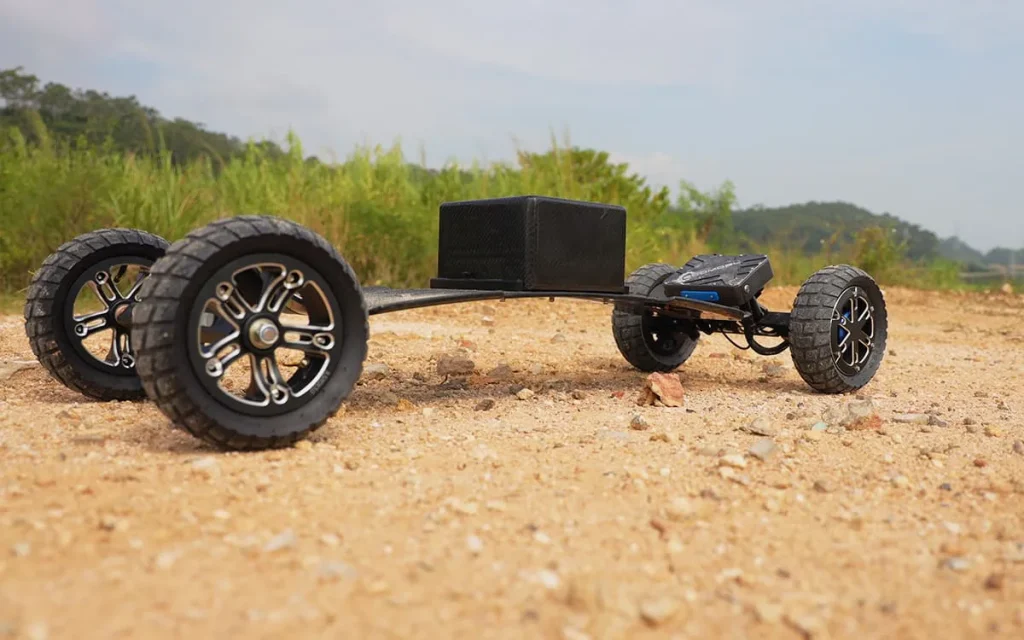
Many adventure riders enjoy taking their boards onto dirt paths, hiking trails, and countryside routes. Packed soil is usually safe when it is dry and relatively smooth.
Boards designed for off-road riding often include:
- Powerful dual or quad motors
- High ground clearance
- Pneumatic wheels
- Durable decks
Hard-packed dirt provides decent traction, especially for tires with aggressive tread patterns.
Still, riders should remain cautious because natural trails are unpredictable. Roots, rocks, and hidden holes can appear suddenly.
Recommended board: Telum 2WD
Best Practices for Trail Riding
- Reduce speed before corners
- Shift body weight slightly backward on descents
- Keep knees bent to absorb impacts
- Avoid narrow trails with steep drop-offs
Some high-end e-skateboards are specifically engineered for mixed terrain and can perform exceptionally well on forest paths and dirt tracks.
Gravel Roads
Gravel is one of the trickiest surfaces for riders because loose stones reduce traction and increase the chance of sliding.
Fine gravel may be manageable with all-terrain tires, but deep or uneven gravel becomes dangerous very quickly.
On gravel surfaces:
- Acceleration should be gentle
- Sudden braking must be avoided
- Sharp turns can cause fishtailing
Riders should never assume that a powerful motor guarantees control. Even the strongest setup can lose traction on loose terrain.
Safe Gravel Riding Tips
- Ride at moderate speed
- Maintain smooth throttle control
- Stand relaxed instead of stiff
- Avoid deep gravel patches whenever possible
Wide tires help improve grip, but rider technique is equally important.
Grass Fields and Parks
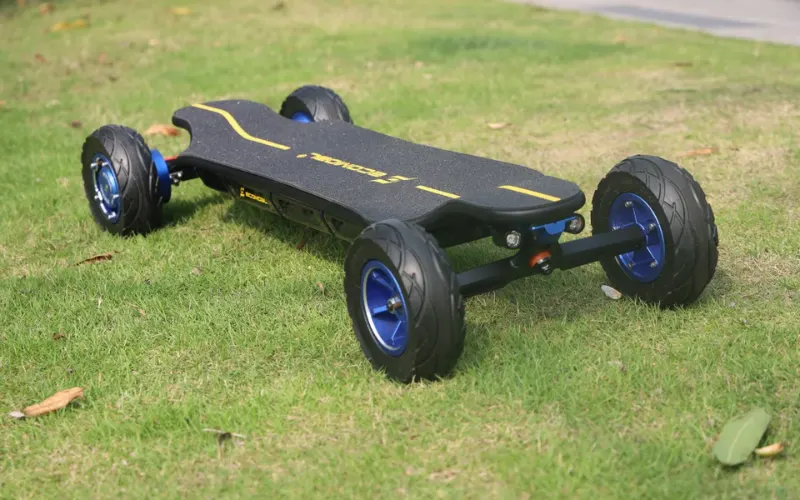
Grass may look harmless, but it can actually hide uneven terrain underneath. Small holes, rocks, and wet patches often create instability.
Short, dry grass is usually rideable for boards with pneumatic tires, especially in parks or sports fields. However, wet grass becomes extremely slippery and should be avoided.
Tall grass also creates extra rolling resistance, which drains battery power much faster.
Important Considerations
- Check for hidden obstacles first
- Avoid muddy sections
- Expect a shorter battery range
- Keep speed under control
Many riders enjoy casual park cruising because it feels more relaxed than road riding, but safety still depends on terrain awareness.
Sand and Beach Areas
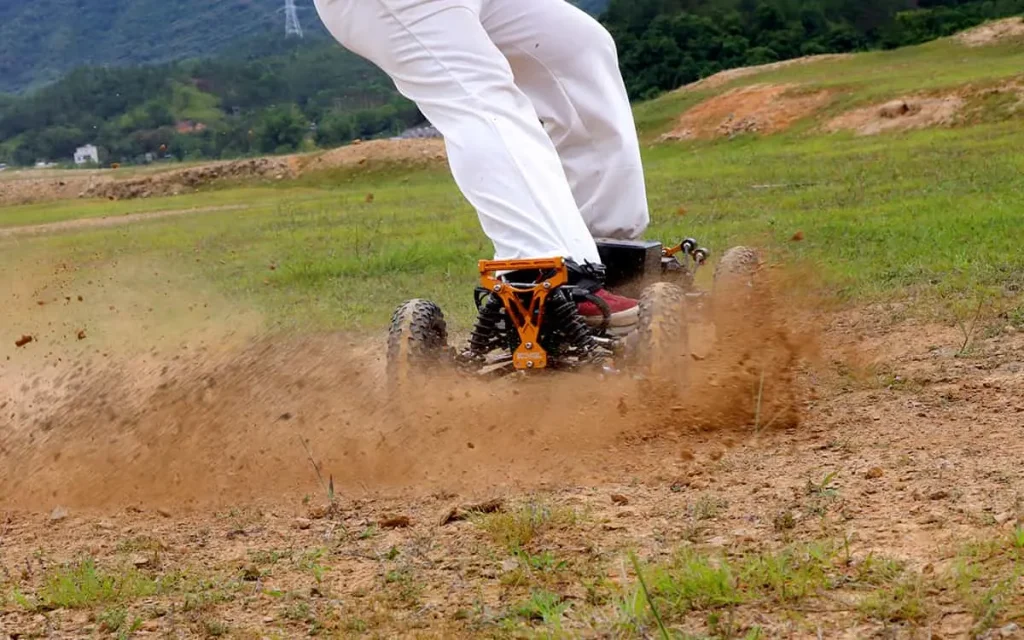
Sand is one of the most difficult terrains for motorized skateboards. Soft sand causes wheels to sink, reducing traction and placing heavy strain on motors.
Hard-packed beach sand near the shoreline may be rideable for specialized off-road setups, but loose dry sand is generally unsafe.
Sand also creates long-term maintenance problems because particles can enter:
- Bearings
- Motor systems
- Belt drives
- Electronics
Why Sand Is Risky
- Poor braking performance
- Increased overheating risk
- Higher chance of wheel spin
- Faster wear on moving parts
If riders choose to explore beach areas, they should clean the board thoroughly afterward.
Recommended board: Telum BA 4WD
Wet Roads and Rainy Conditions
Water is one of the biggest hazards for riders. Even boards marketed as water-resistant should not be treated as fully waterproof.
Wet pavement reduces traction dramatically, especially during:
- Hard braking
- Sharp carving
- Sudden acceleration
Hydroplaning can happen more easily than many riders expect.
Electronics are another concern. Water exposure may damage battery systems, ESC components, or motor connections over time.
Riding in Wet Conditions
- Slow down significantly
- Avoid puddles
- Brake earlier than usual
- Use gentle throttle inputs
Many experienced riders simply avoid rain whenever possible because the safety risks increase considerably.
Mountain Trails and Off-Road Adventures
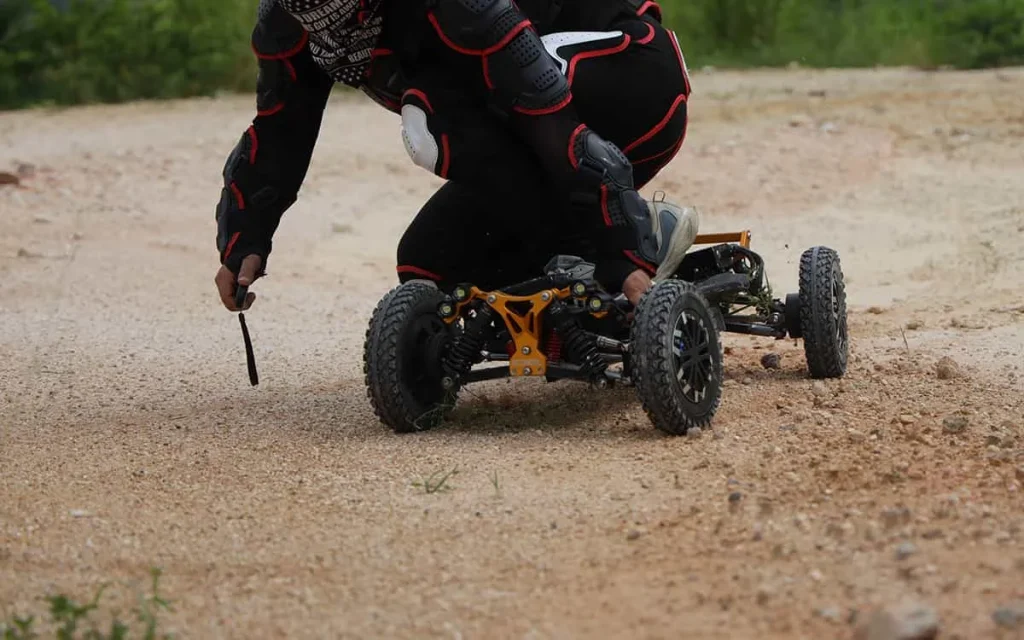
Advanced off-road boards can handle mountain paths, rocky terrain, and steep inclines surprisingly well. These setups often feature:
- Four-wheel drive systems
- High torque motors
- CNC trucks
- Heavy-duty suspension
But even powerful machines have limits.
Loose rocks, steep downhill sections, and narrow trails require strong riding skills. Beginners should never attempt aggressive mountain riding immediately.
Read: 3 Strong Off-Road Electric Skateboards for All-Terrain Adventures
Off-Road Riding Essentials
- Wear full protective gear
- Ride with friends when possible
- Carry extra battery power
- Check tire pressure before riding
- Inspect brakes regularly
Adventure-focused electric skateboards are becoming increasingly capable, but terrain difficulty should always match the rider’s experience level.
How to Choose the Right Setup for Your Terrain
Different terrains require different board characteristics. Here is a simple breakdown:
| Terrain | Recommended Setup |
|---|---|
| Smooth pavement | Street wheels, lightweight deck |
| Rough roads | Pneumatic tires, flexible deck |
| Dirt trails | All-terrain tires, high torque |
| Gravel | Wide tires, stable trucks |
| Grass | Pneumatic wheels, moderate power |
| Sand | Specialized off-road setup only |
| Mountain trails | Suspension, strong motors |
Understanding where you plan to ride helps you choose safer equipment and avoid unnecessary risks.
We asked the riders, “What terrain do you enjoy the most while riding your electric skateboard?“
Michael said, “A nice packed trail through the trees in the mountains on a cool morning. A newly made road is also very nice, but off-road has my heart.”
Chet likes to ride on new pavement, like riding on nothing at all, and Elvin loves to ride on rural roads.
Jimmy shared that he likes to ride on wood paths and bike roads.
Final Thoughts
Not every riding surface is equally safe, and understanding terrain limitations is one of the most important parts of becoming a smarter rider. Smooth pavement remains the easiest and safest option, while rough trails and off-road environments demand stronger setups and better skills.
The key is matching your board configuration to the terrain while respecting weather conditions, traction limits, and your personal experience level. Riders who stay aware of surface conditions, maintain their equipment properly, and ride within their skill range enjoy a much safer and more enjoyable experience.
Whether you prefer city commuting, trail exploration, or mountain adventures, modern e-boards offer impressive versatility when used responsibly.