


Electric skateboarding doesn’t have to stop when temperatures drop. In fact, winter riding can be an exciting experience on quiet roads, crisp air, and a whole new challenge for riders who enjoy pushing their limits. However, cold weather also introduces serious risks: reduced battery performance, slippery surfaces, limited visibility, and the danger of cold exposure.
That’s why having the right cold-weather riding gear is essential. The right setup keeps you warm, dry, visible, and protected, allowing you to ride confidently and safely all winter long.
In this complete guide, we’ll break down the essential winter riding gear every electric skateboarder should own, plus expert tips to stay comfortable and in control in cold conditions.
Why Cold-Weather Gear Matters for Electric Skateboarding
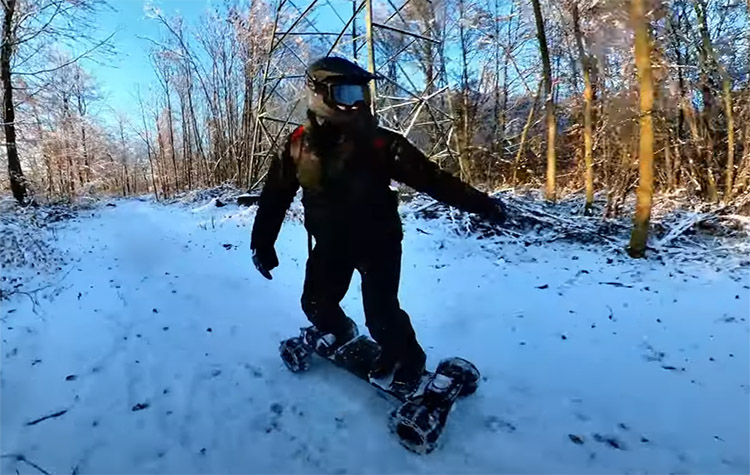
Winter changes everything about your ride:
-
Roads can be wet, icy, or covered in salt
-
Batteries lose range and power in cold temperatures
-
Cold wind can numb your hands and slow your reaction time
-
Darkness arrives earlier, reducing visibility
Without proper gear, riding becomes uncomfortable, unsafe, and even dangerous. Hypothermia, frostbite, and reduced motor control are real risks when riding in freezing temperatures.
The right winter riding gear solves these problems by keeping you warm, dry, protected, and visible, allowing you to continue riding year-round.
1. Winter Helmet: Insulation and Visibility Combined
A helmet is already mandatory for electric skateboarding, but in winter, your helmet needs extra features.
What to Look for in a Winter Helmet
-
Thermal lining for warmth
-
Wind-blocking vents or removable vent covers
-
Moisture-wicking padding
-
Compatibility with beanies or balaclavas
-
Integrated LED lights or reflective elements
Some riders use standard skate helmets with a thin thermal skull cap underneath, which works well and allows flexibility across seasons.
Pro Tip: Look for helmets designed for snow sports or winter cycling. Many of them meet safety standards and offer better insulation and weather resistance.
2. Thermal Gloves: Your Most Important Winter Upgrade
Cold hands are one of the biggest challenges in winter riding. You need full control of your remote at all times. Numb fingers can make braking and acceleration dangerous.
Best Types of Winter Riding Gloves
-
Insulated riding gloves with windproof shells
-
Touchscreen-compatible fingertips
-
Water-resistant materials
-
Anti-slip palms for better remote grip
-
Knuckle protection for added safety
Heated Gloves
For extreme cold, heated gloves are a game-changer. They use rechargeable batteries to keep your hands warm for hours.
Benefits:
-
Prevent numbness
-
Improve reaction time
-
Increase comfort on long rides
3. Thermal Base Layers: Your First Line of Defense
Layering is the foundation of winter riding. A good base layer traps body heat and wicks sweat away from your skin.
Ideal Base Layer Materials
-
Merino wool
-
Thermal polyester blends
-
Fleece-lined compression wear
Avoid cotton, it absorbs sweat and becomes cold very quickly.
Base Layer Setup
-
Long-sleeve thermal top
-
Thermal leggings
-
Compression fit for easy layering
This layer keeps you warm without restricting movement.
Read: 10 Things You Should Not Do with an Electric Skateboard
4. Insulated Riding Jacket: Windproof and Waterproof
Your jacket is your main shield against winter wind, rain, and snow.
What Makes a Great Winter Riding Jacket
-
Windproof outer shell
-
Water-resistant or waterproof fabric
-
Breathable inner lining
-
Reflective strips for visibility
-
Adjustable cuffs and hood
Softshell jackets are popular for electric skateboarders because they’re flexible and breathable while blocking wind effectively.
Bonus Features
-
Internal pockets for batteries and a phone
-
USB-powered heated jackets
-
Detachable thermal liners
5. Riding Pants: Warmth Without Bulk
Regular jeans offer almost no insulation against cold wind. Winter riding pants should be warm, flexible, and protective.
Best Options
-
Thermal-lined riding pants
-
Softshell pants with water resistance
-
Snowboarding pants with breathable membranes
-
Kevlar-reinforced motorcycle pants (for extra protection)
Knee and Hip Protection
Cold weather increases the risk of slips. Pants with built-in padding or space for armor provide excellent protection.
6. Waterproof Boots: Grip and Insulation Matter
Your feet stay exposed to wind, road spray, and freezing temperatures. Good boots make a massive difference.
What You Need in Winter Riding Footwear
-
Waterproof or water-resistant material
-
Insulated lining
-
Rubber sole with deep tread
-
Ankle support
-
Reinforced toe protection
Best Types of Boots
-
Winter hiking boots
-
Snow boots with flexible soles
-
Motorcycle riding boots
-
Tactical boots with insulation
Avoid smooth soles. Traction is critical on cold pavement.
Also Read: Can You Ride an Electric Skateboard in the Rain? Everything You Need to Know
7. Balaclava and Neck Gaiter: Protect Your Face
Cold wind hitting your face at 25–40 mph can feel brutal. A balaclava or neck gaiter protects your face, ears, and neck from windburn and frostbite.
Benefits
-
Blocks wind
-
Retains body heat
-
Fits under helmets
-
Reduces cold air breathing shock
Choose breathable materials that prevent fogging on goggles or glasses.
8. Winter Riding Goggles or Glasses
Cold air dries out your eyes and can reduce visibility due to tears or fog.
Winter Eye Protection Options
-
Snow sports goggles
-
Motorcycle riding goggles
-
Windproof riding glasses
Look for:
-
Anti-fog coating
-
UV protection
-
Wide field of view
-
Helmet compatibility
9. Reflective Gear and Lights: Be Seen in Winter Darkness
Winter days are shorter, and poor visibility is a major risk.
Essential Visibility Gear
-
Reflective jacket strips
-
LED armbands
-
Helmet lights
-
Rear red lights
-
Reflective backpack covers
Some riders use smart brake lights that activate when slowing down.
Visibility saves lives. Never skip this.
10. Hand Warmers and Heated Accessories
For extremely cold conditions, extra heat can make all the difference.
Useful Accessories
-
Disposable hand warmers
-
Rechargeable heated insoles
-
Heated vests
-
USB-powered scarves
These small upgrades make long winter rides much more enjoyable.
11. Winter Backpack: Carry Your Essentials Safely
A winter riding backpack helps you carry:
-
Spare gloves
-
Battery packs
-
Rain cover
-
Tools
-
Cleaning cloth
Look for waterproof materials and reflective panels.
How to Layer Properly for Winter Riding?
A smart layering system keeps you warm without overheating:
Layer 1: Base Layer
Thermal compression clothing
Layer 2: Insulation Layer
Fleece or lightweight down jacket
Layer 3: Outer Shell
Windproof and waterproof riding jacket
This system allows you to adapt to changing temperatures easily.
Winter Riding Safety Tips
Gear is only half the equation. Follow these winter riding habits:
-
Warm your battery before riding
-
Reduce speed on cold pavement
-
Avoid ice, snow, and wet leaves
-
Clean your board after salty rides
-
Carran y emergency phone and charger
Final Thoughts
Winter doesn’t have to mean the end of electric skateboarding season. With the right cold-weather riding gear, you can stay warm, protected, and visible while enjoying smooth rides even in freezing temperatures.
From thermal gloves and insulated boots to windproof jackets and reflective lighting, each piece of winter riding gear plays a crucial role in keeping you safe and comfortable.
If you’re serious about year-round electric skateboarding, investing in proper winter gear isn’t an option; it’s essential.
So gear up, stay warm, and ride smart. Winter is just another adventure waiting to be conquered.

