


The electric skateboard market has evolved from a niche recreational hobby into a powerful economic contributor within the global personal mobility sector. Once considered a novelty, electric skateboards are now recognized as a viable transportation alternative, particularly in urban environments. The global electric skateboard market size was valued at USD 529 million in 2024 and is expected to grow from USD 582.45 million in 2025 to USD 938.04 million by 2030, at a CAGR of 10% during the forecast period (2025-2030).
This sustained growth reflects a long-term transformation in how people approach short-distance transportation rather than a short-lived trend.

Source: Deep Market Insights
Market Overview
Electric skateboards have gained widespread adoption across diverse demographics, including urban commuters, recreational riders, and technology enthusiasts. Unlike traditional skateboards that rely solely on manual propulsion, electric skateboards blend the cultural identity of skateboarding with the convenience of motorized transport, making them both practical and appealing.
Current market data show that North America leads global adoption, accounting for approximately 40.8% of the total market share. This dominance can be attributed to well-developed transportation infrastructure, higher disposable incomes, and strong consumer openness to emerging technologies.
However, the Asia-Pacific region represents the fastest-growing market, fueled by rapid urbanization in countries such as China and Japan and a growing preference among younger consumers for compact electric mobility solutions.
From a product standpoint, electric longboards dominate the market, largely due to their enhanced stability and comfort. In terms of motor configuration, hub motor electric skateboards account for around 62.4% of total sales, as consumers favor their reliability, lower maintenance requirements, and quieter operation compared to belt-driven alternatives.
Read: Smart City Mobility: Can Electric Skateboards Lead the Way?
Key Economic Growth Drivers
Technological Advancements
Advances in lithium-ion battery technology have been instrumental in shaping the modern electric skateboard industry. Today’s models typically offer ranges between 10 and 20 miles per charge, with top speeds exceeding 20 mph, making them suitable for daily commuting.
Manufacturers continue to innovate with lightweight materials such as carbon fiber composite decks, improving durability while reducing overall weight. Smart technologies, including Bluetooth connectivity, mobile applications, and programmable riding modes, have further enhanced the user experience by allowing riders to customize performance and monitor battery health in real time.
Urbanization and Evolving Transportation Needs
Global urbanization has intensified challenges such as traffic congestion, limited parking, and rising pollution levels. Electric skateboards provide a compact, efficient, and zero-emission solution for short- to medium-distance travel, especially in dense urban settings.
They are particularly effective in addressing last-mile transportation challenges, bridging the gap between public transit stops and final destinations. Compared to cars or ride-hailing services, electric skateboards offer a significantly lower cost per mile, making them attractive to cost-conscious urban commuters.
Environmental Considerations
Growing environmental awareness continues to influence consumer behavior. Electric skateboards produce no direct operational emissions, helping reduce urban air pollution when used as alternatives to gas-powered vehicles. As sustainability becomes a central purchasing factor, electric skateboards align well with the global shift toward cleaner transportation options.
Opportunities in the Electric Skateboard Market

Expansion in Emerging Markets
While North America and Europe currently dominate the market, emerging economies present substantial growth opportunities. Countries such as India, Brazil, and Southeast Asian nations are experiencing rapid urban growth and an expanding middle class. These regions are expected to play a crucial role in driving global market expansion through 2030 and beyond.
Integration with Public Transportation Systems
One of the most promising opportunities lies in integrating electric skateboards with existing urban transit networks. Cities are beginning to experiment with designated parking areas and charging stations for personal electric vehicles at transit hubs. Such integration would significantly enhance commuting convenience and accelerate adoption rates.
Innovation in Battery and Charging Technologies
Continued advancements in battery research offer immense potential for market expansion. Improvements in energy density, faster charging times, and longer battery life could address one of the primary concerns among potential buyers. Breakthroughs in this area may drive adoption faster than current growth projections suggest.
Challenges Facing the Industry

Regulatory Uncertainty and Safety Concerns
Regulatory frameworks for electric skateboards vary widely across regions, creating confusion for manufacturers and consumers alike. Some jurisdictions classify them as recreational devices, while others categorize them as motorized vehicles, each with different usage restrictions.
In the United States, regulations differ significantly by state and city, with some areas restricting electric skateboards to bike lanes and others prohibiting them on public roads altogether. Similarly, European regulations lack uniformity across EU member states, complicating cross-border market expansion.
Safety concerns also pose challenges. High speeds and increased urban usage have raised accident-related concerns among regulators and consumers. Addressing these issues through improved design, advanced braking systems, and rider education remains essential.
Competition from Other Electric Mobility Solutions
Electric skateboards face growing competition from electric scooters, e-bikes, and one-wheel devices. These alternatives often offer greater stability or ease of use, potentially limiting electric skateboard adoption among certain consumer segments.
Supply Chain Constraints and Rising Material Costs
The COVID-19 pandemic exposed vulnerabilities in global supply chains, particularly for industries reliant on international component sourcing. Although production has largely stabilized, rising costs of critical materials, especially lithium for batteries, continue to pressure manufacturers seeking to maintain competitive pricing.
Also Read: ECOMOBL: A Decade of Hard Work to Reshape Travel Modes
Impact on Local Economies
Job Creation Across Multiple Sectors
The electric skateboard industry has generated employment across manufacturing, retail, design, logistics, and aftermarket services. Large-scale production hubs, particularly in Asia, employ thousands of workers, while companies in North America and Europe focus on product development, marketing, and distribution.
Additionally, the growing aftermarket and accessories sector, including protective gear, replacement parts, and customization services, has created opportunities for small and medium-sized businesses.
Influence on Urban Infrastructure and Planning
Cities are increasingly investing in infrastructure to support personal electric mobility, including dedicated lanes, charging stations, and secure storage facilities. These developments not only improve urban mobility but also stimulate local economic activity through construction and maintenance jobs.
Contribution to Urban Tourism
Electric skateboards are becoming a popular feature in urban tourism. Rental services and guided tours allow visitors to explore cities in an engaging and environmentally friendly way. Cities such as Barcelona, San Francisco, and Sydney have embraced electric skateboard tourism, generating new revenue streams and specialized employment opportunities.
Consumer Behavior and Market Trends
Purchasing Decision Factors
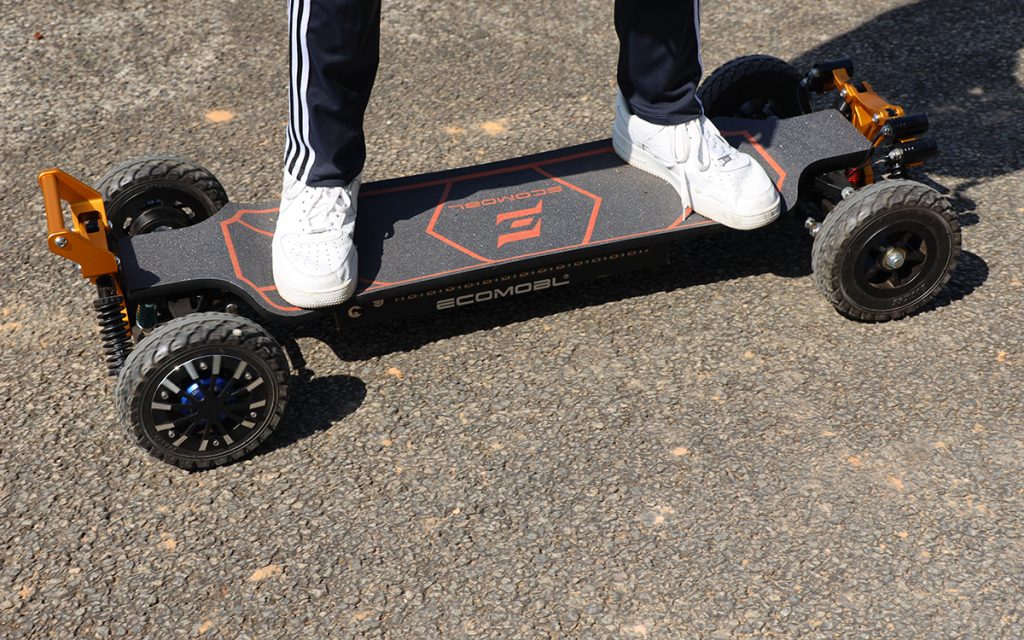
Consumer surveys reveal that purchasing decisions are primarily influenced by battery range, price, brand reputation, design, and top speed. Entry-level models typically start around $300, while premium electric skateboards with advanced features can exceed $2,000.
Shift Toward Functional Use
Initially driven by younger riders seeking recreation, the market has expanded to include adults who use electric skateboards primarily for commuting. This shift from leisure to functional transportation has significant implications for product design, emphasizing reliability, safety, and comfort.
Customization and Brand Loyalty
A strong culture of customization exists within the electric skateboard community. Riders frequently modify decks, wheels, motors, and software settings to suit personal preferences. This has fueled growth in aftermarket components and strengthened brand loyalty. Successful brands foster active online communities where users exchange experiences, advice, and modifications, reinforcing long-term customer engagement.
Future Outlook
Market Growth Over the Next Five Years
The electric skateboard market is expected to maintain steady growth through 2032, particularly in the mid-speed segment, which balances performance with safety considerations. Ongoing innovation in battery technology, weight reduction, and safety features will remain key growth drivers.
Emerging Technologies and Industry Consolidation
Industry consolidation is likely to continue as larger mobility companies acquire innovative startups. While this trend may accelerate technological development, it also raises concerns regarding competition and pricing dynamics.
Sustainability as a Long-Term Driver
Environmental sustainability will increasingly shape the industry’s future. Manufacturers are exploring recyclable materials, circular manufacturing practices, and battery recycling programs. Brands that successfully align innovation with sustainability are likely to gain a competitive advantage in the evolving electric skateboard market.