


Electric skateboards have really changed how we think about personal transportation and outdoor fun. With their powerful motors, smart remotes, and long-lasting batteries, riders now can go faster and farther than ever before. Brands like Ecomobl and other makers are always coming up with new innovations, making electric skateboards even more dependable and ready for off-road adventures.
However, like any technology, electric skateboards are not perfect. Riders, especially beginners, often encounter a range of challenges that can affect performance, safety, and overall riding experience.
In this article, we explore the most common problems electric skateboard riders face, along with practical tips to help avoid or solve them.
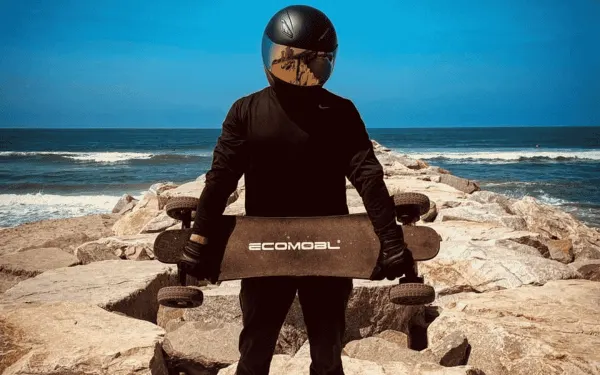
1. Battery Range Anxiety
One of the biggest concerns for electric skateboard riders is battery range. Many riders worry about running out of power before reaching their destination.
Battery performance depends on several factors:
- Rider weight
- Terrain type
- Riding speed
- Weather conditions
- Battery age
For example, riding uphill or on rough trails consumes significantly more power than cruising on smooth pavement.
How to Avoid This Problem
- Always check battery levels before riding.
- Carry your charger on longer trips.
- Choose boards with larger battery capacity if you ride long distances.
Range anxiety becomes less of an issue once riders learn how their board performs in different conditions.
Read: Are Electric Skateboards Good for Beginners? All You Need to Know
2. Remote Disconnection Issues
Electric skateboards rely on wireless remotes to control speed and braking. Sometimes the remote signal disconnects from the board, which can be stressful while riding.
Common causes include:
- Bluetooth interference
- Low remote battery
- Software glitches
- Physical damage to the remote
Most modern boards automatically enter a safe braking mode when a connection drops, but it can still surprise riders.
How to Avoid This Problem
- Keep your remote fully charged.
- Maintain a clear signal between the remote and the board.
- Update firmware if your board supports it.
3. Belt Wear and Drive System Maintenance
Many electric skateboards use belt-driven motors, which require regular maintenance.
Over time, belts can:
- Stretch
- Wear out
- Snap during rides
This problem is common among riders who frequently ride off-road or accelerate aggressively.
Some boards now use gear drive systems, which reduce maintenance and improve durability. For example, some Ecomobl models feature planetary gear drive systems that are more resistant to dirt and debris.
How to Avoid This Problem
- Inspect belts regularly.
- Replace worn belts early.
- Carry spare belts if riding long distances.
4. Rough Terrain and Stability Issues
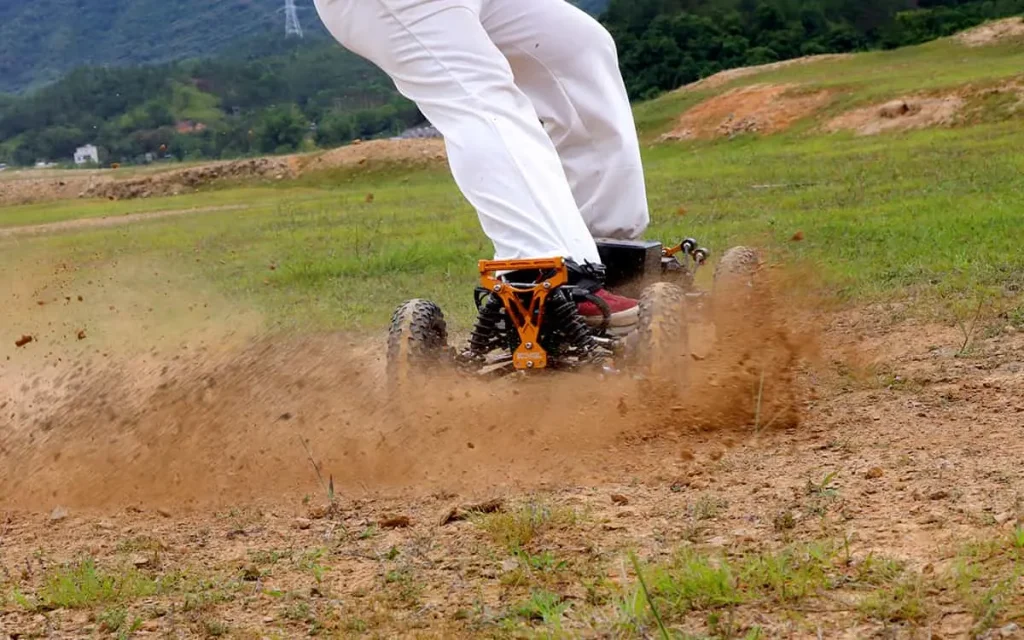
Not all electric skateboards are built for rough terrain. Riding on gravel, dirt trails, or uneven roads can cause stability problems.
Common issues include:
- Wheel slippage
- Reduced traction
- Loss of balance
- Hard vibrations
Urban boards with small wheels struggle the most on rough surfaces.
How to Avoid This Problem
- Use boards designed for off-road riding.
- Choose larger pneumatic tires.
- Ride at controlled speeds on uneven terrain.
Boards built specifically for mountain boarding or off-roading handle these conditions much better.
5. Speed Control for Beginners
Electric skateboards can reach impressive speeds. Many boards can travel between 25 and 35 mph, which is extremely fast for new riders.
Beginners often struggle with:
- Sudden acceleration
- Improper braking
- Poor weight balance
These mistakes can lead to falls, especially during the first few rides.
How to Avoid This Problem
- Start in beginner mode.
- Practice braking in open spaces.
- Gradually increase speed as confidence grows.
Learning proper riding posture and throttle control is essential for safety.
Related: 13 Winter Riding Mistakes That Can Damage Your Electric Skateboard
6. Water and Weather Damage
Electric skateboards are not fully waterproof. Riding in heavy rain or through puddles can damage critical components such as:
- The battery pack
- Motor system
- Electronics inside the enclosure
Even boards labeled as water-resistant can suffer long-term damage from repeated exposure to water.
How to Avoid This Problem
- Avoid riding during heavy rain.
- Dry the board immediately if it gets wet.
- Store your skateboard in a dry environment.
Protecting the electronics greatly extends the life of your board.
7. Wheel and Tire Wear
Electric skateboard wheels wear down over time, especially if the rider frequently brakes hard or rides on rough surfaces.
Common wheel-related issues include:
- Reduced grip
- Uneven wear
- Tire punctures (for pneumatic wheels)
Off-road riders often experience faster tire wear due to dirt trails and rocks.
How to Avoid This Problem
- Rotate wheels periodically.
- Maintain proper tire pressure.
- Replace worn wheels before they lose grip.
Keeping wheels in good condition improves both safety and performance.
8. Weight and Portability Challenges
Electric skateboards are much heavier than traditional skateboards because they contain motors, batteries, and electronics.
Some boards can weigh 20–35 pounds or more, which makes them harder to carry.
This becomes a problem when riders need to:
- Carry the board upstairs
- Take it on public transportation
- Walk long distances with a dead battery
How to Avoid This Problem
- Choose a board with a manageable weight.
- Use a backpack or carrying handle if available.
Portability is an important factor for riders who commute daily.
Also Read: Top 5 Mistakes New Electric Skateboarders Make and How to Avoid Them
9. Maintenance and Repair Costs
Electric skateboards require more maintenance than traditional skateboards.
Parts that may need replacement include:
- Belts
- Bearings
- Batteries
- Tires
- Motors
If riders neglect maintenance, small issues can quickly turn into expensive repairs.
How to Avoid This Problem
- Perform regular inspections.
- Clean the board after off-road rides.
- Replace worn components early.
Proper maintenance can significantly extend the life of an electric skateboard.
10. Learning Curve for New Riders
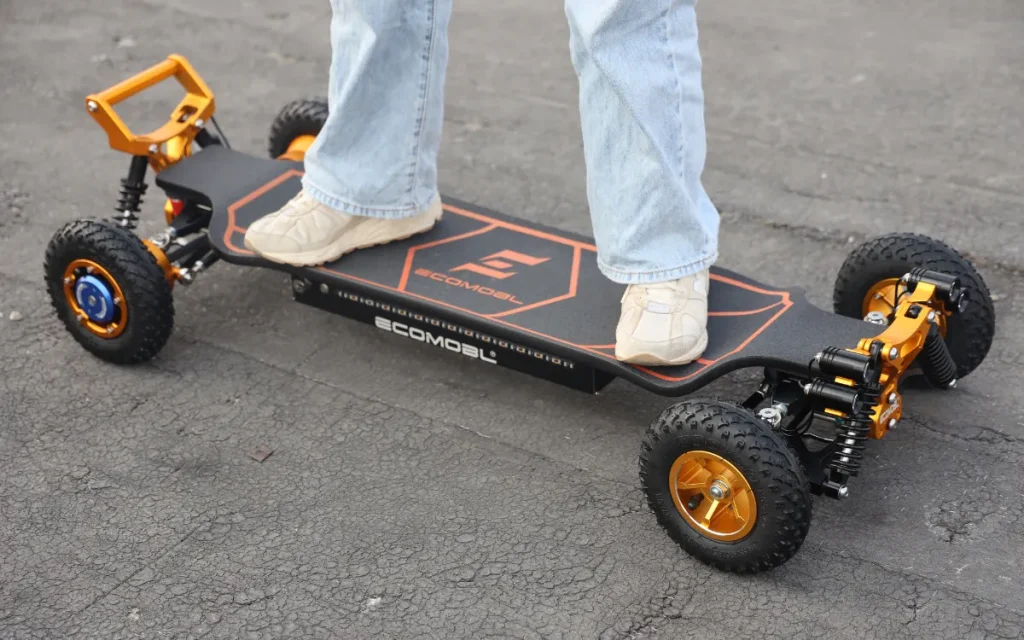
Many people assume electric skateboards are easy to ride, but there is still a learning curve, especially when handling high speeds and powerful motors.
New riders often struggle with:
- Balance at high speed
- Emergency braking
- Riding downhill
- Turning on rough terrain
Practice and patience are essential for developing confidence.
Tips for Beginners
- Wear protective gear.
- Start in an open parking lot.
- Practice gradually before riding in crowded areas.
Final Thoughts
Electric skateboards offer an exciting way to commute, explore trails, and enjoy outdoor adventures. However, riders often face challenges such as limited battery range, remote disconnections, belt wear, terrain instability, and maintenance needs.
Understanding these common problems helps riders prepare better and enjoy a safer riding experience. With proper care, regular maintenance, and smart riding habits, electric skateboards can remain reliable for many years.
As technology continues to evolve, brands like Ecomobl are developing stronger boards with improved drive systems, longer battery life, and better off-road capabilities, making the future of electric skateboarding even more exciting.

